Play TGC Solitaire Online Free
Arrange cards in descending alternating suits with Draw 1 or 3 modes.
Loading game...
About TGC Solitaire
Welcome to TGC Solitaire, our classic single-player card game designed for smooth play across desktop and mobile screens. Whether you are aiming for speed records or clearing tableau piles at your own pace, this modern adaptation delivers rich visuals, customizable card backs, and tabletop themes.
Explore the core game modes available on the felt:
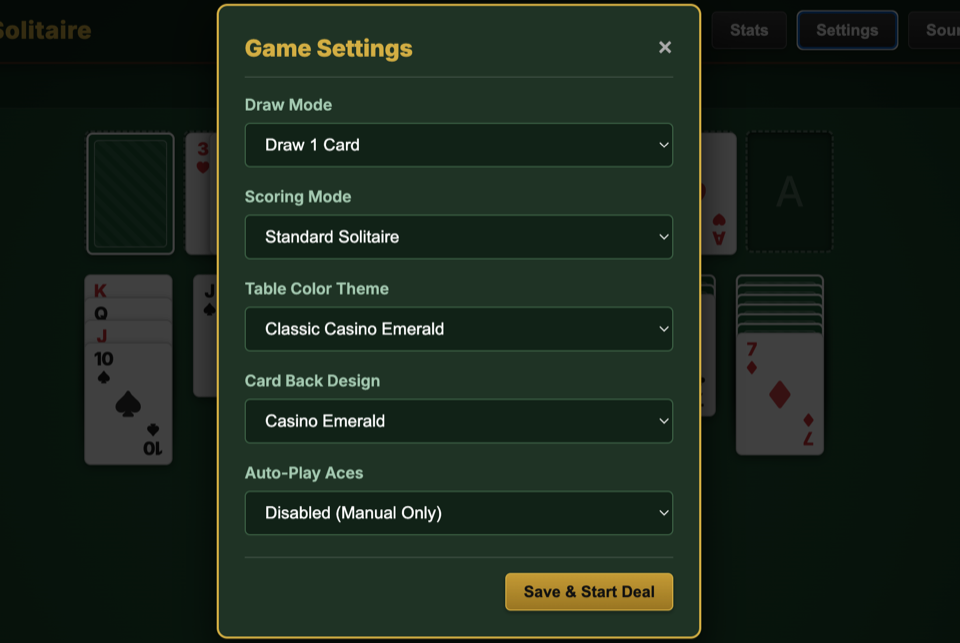
- Draw 1 Mode: A relaxed dealing style where single cards are flipped from the stock deck, ideal for casual strategy and steady wins.
- Draw 3 Mode: A classic casino challenge where cards are drawn in groups of three, requiring deeper tactical foresight and careful waste management.
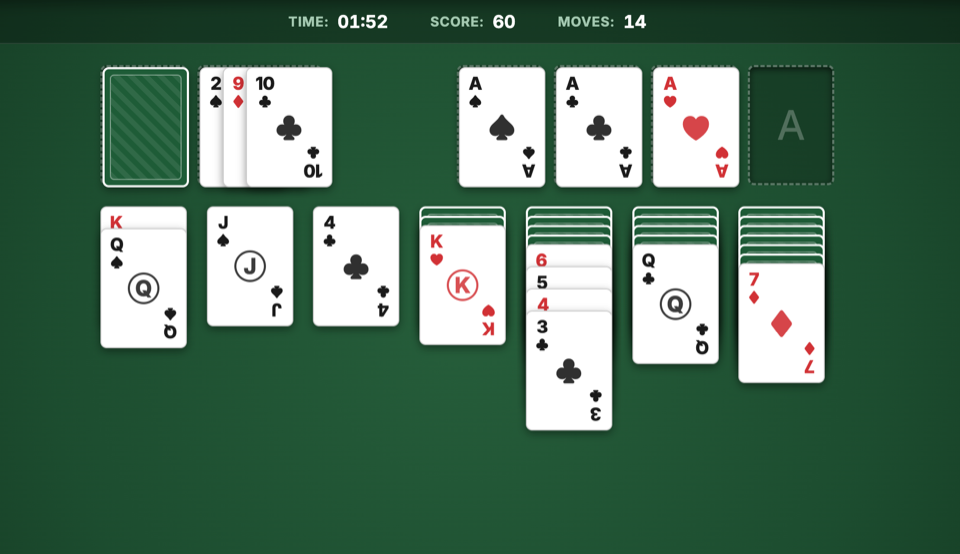
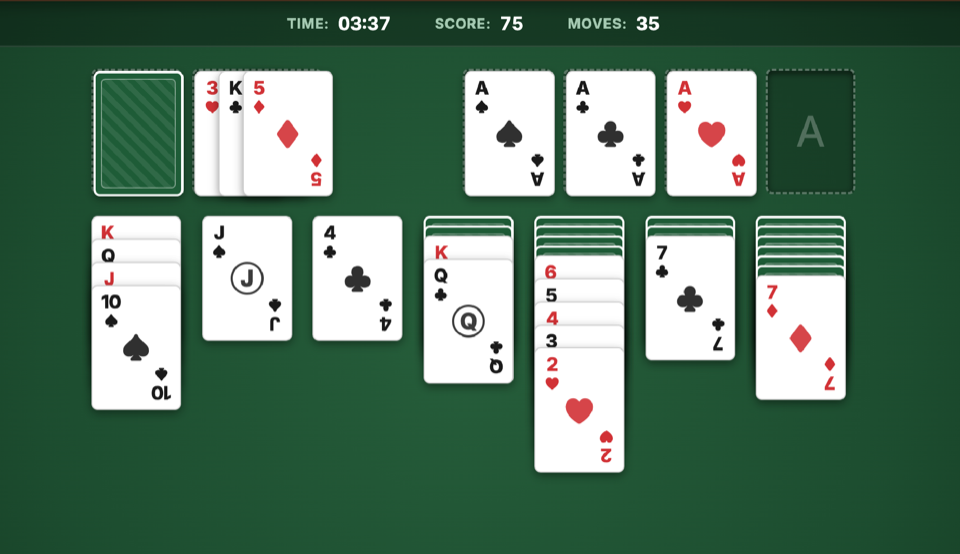
Enjoy features like unlimited moves, intelligent hint highlights, and auto-complete cascades when all cards are face-up. Track your real-time score, move counter, and timer in the top HUD stats bar to master every deal!
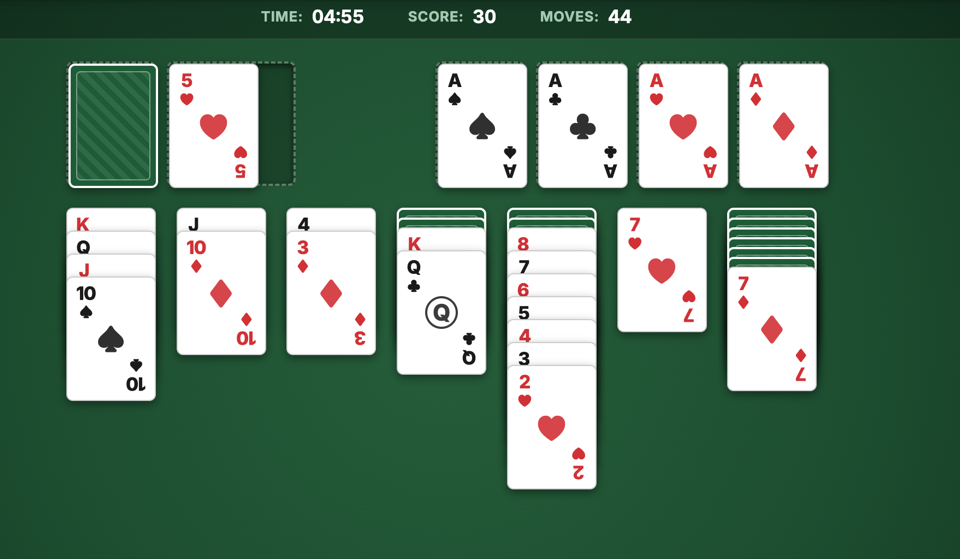
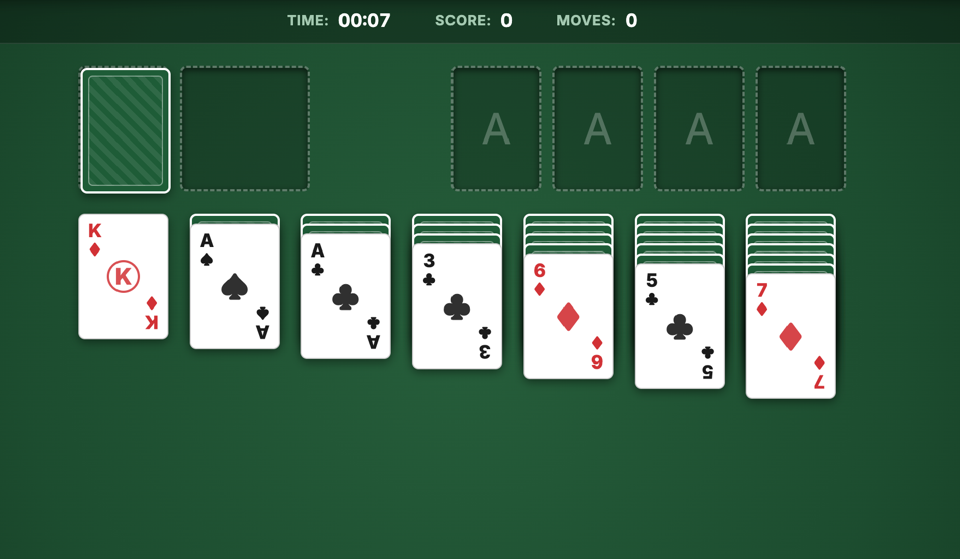
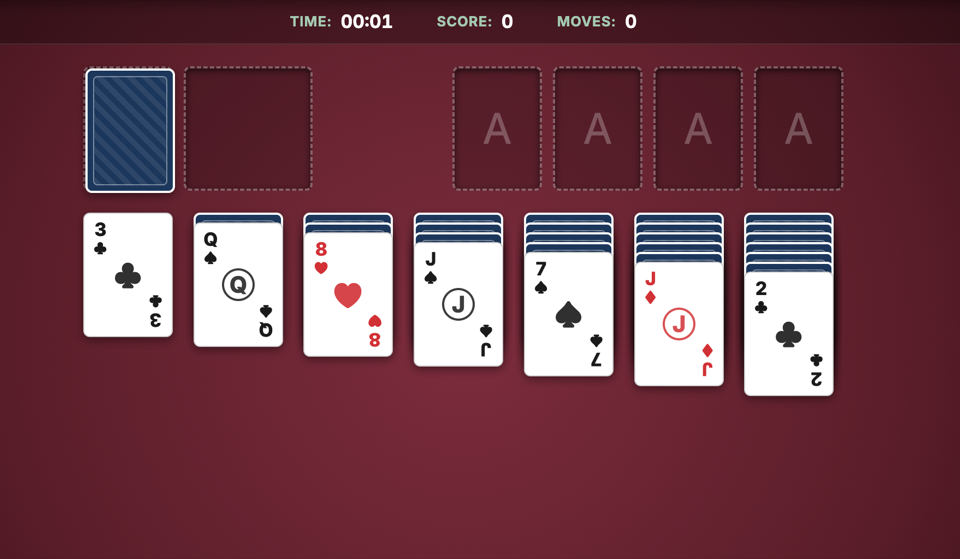
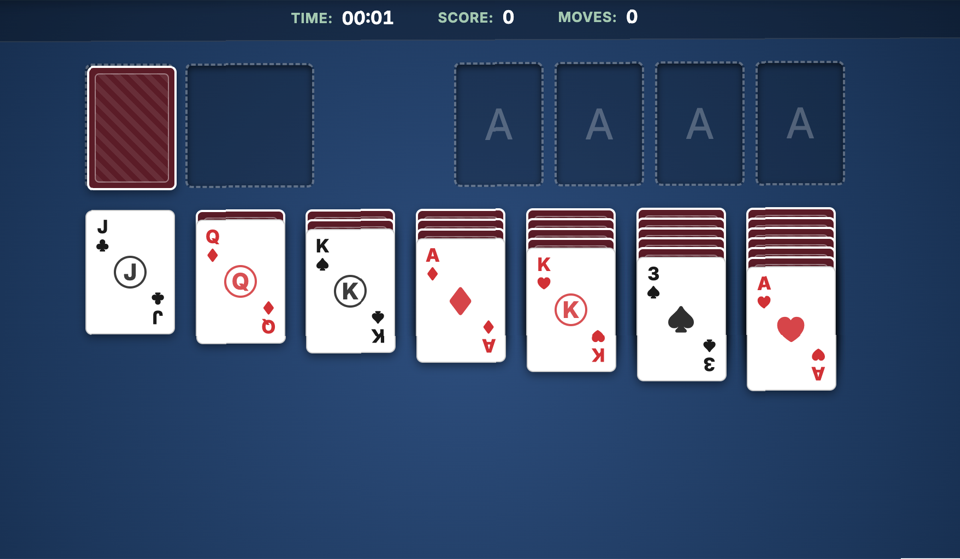
How to Play
Deal and Reveal
Seven tableau columns are dealt with only top cards exposed. Click the stock deck to deal new cards into the waste pile when no tableau moves remain.
Build Tableau Columns
Stack cards in descending rank while strictly alternating red and black suit colors. Drag single cards or complete face-up sequences between columns.
Fill Foundation Piles
Transfer Aces directly to foundation slots at the top of the table. Build each suit upward sequentially from Ace to King.
Utilize Helper Tools
Use unlimited Undo to reverse tactical mistakes, trigger intelligent Hints when stuck, or activate Auto-Complete once all cards are face-up.
Uncover hidden cards
Prioritize moves that flip face-down tableau cards to expand your available options.
Empty tableau spaces
Reserve empty tableau columns exclusively for Kings to unlock stacked card sequences.
Delay stock draws
Exhaust all available tableau and foundation moves before dealing new stock cards.
TGC Solitaire Player Handbook & Strategy Guide
Welcome to the ultimate strategic handbook for mastering Klondike Solitaire on The Game Cove. Whether you are dealing single cards in Draw 1 mode or navigating complex Draw 3 cascades, this guide equips you with exact odds, tableau building tactics, and foundational rules.
1. Origins & Evolution of Solitaire
Single-player card games originated in Northern Europe during the late eighteenth century as a contemplative pastime known as Patience. As card play expanded across North America, the traditional variant gained worldwide popularity under the name Klondike solitaire.
The game experienced a massive digital resurgence in the nineties when standard operating systems included digital card dealing software. Competitive speedrunners have even set an official solitaire world record by completing a full game in just eight seconds.
2. Core Mechanics & Tableau Rules
TGC Solitaire utilizes a standard fifty-two card deck distributed across seven tableau columns, four foundation slots, and a stock pile. The leftmost column receives one card while each successive column gains an additional card, leaving only the top card exposed.
Tableau columns must be stacked in strictly descending rank while alternating red and black suit colors. Foundation slots start with Aces and are built upward sequentially by suit until all four Kings are positioned at the top.
3. Advanced Strategy & Decision Trees
Uncovering face-down cards in tableau columns should always take top priority over moving cards to foundation piles. Exposing hidden cards expands your available options and prevents premature grid bottlenecks during tight deals.
Empty tableau columns represent valuable strategic assets that should be guarded carefully until a King is ready to be placed. Filling an empty spot too early with a lone card blocks sequence movement and reduces long-term win probability.
When choosing between multiple valid moves, prioritize shifting cards out of the deepest tableau column with the most hidden cards. This maximizes your chances of revealing crucial cards that unlock blocked suits.
4. Draw 1 vs. Draw 3 Mode Mathematics
Draw 1 mode offers a relaxed experience where every stock deal exposes a new single card into the active waste pile. This mode yields a significantly higher win rate because players maintain full visibility and control over stock sequence order.
Draw 3 mode presents a stringent casino challenge where cards pass into the waste pile in triplets, exposing only every third card. Players must track cycle offsets across multiple stock passes to dislodge hidden intermediate cards.
5. Essential Solitaire Terminology
The main playing grid consisting of seven columns where cards are arranged in descending rank with alternating colors. Uncovering all face-down cards in the tableau is essential for completing a deal.
The four target slots located at the top right of the table where cards are built upward by suit. Each foundation pile begins with an Ace and finishes with a King.
The remaining undealt deck positioned at the top left of the table. Clicking the stock pile flips cards into the waste pile to provide new movement options.
The pile holding face-up cards drawn directly from the stock deck. The top card of the waste pile can be played onto tableau columns or foundation slots.
An automated finishing feature that triggers when all remaining tableau cards are face-up. Activating auto-complete sweeps all cards smoothly into their respective foundation slots.
An intelligent assistant tool that highlights optimal valid card moves on the board. Players receive a limited count of three hints per game deal.